

Playup’s 90‑spin offer looks like a gift, but the term “free” is a marketing illusion that masks a 5% wagering requirement on every win. In practice, a player who lands a $10 win must bet $200 before any cash moves. That 20‑to‑1 ratio mirrors the 95% house edge you’d find on a classic 3‑reel slot like Starburst, where volatility is as low as a damp sponge.
And the “no deposit” part? It’s a tease. The casino usually caps the maximum cash‑out from those spins at $50, which, after a 25% tax in NSW, leaves you with $37.50. Compare that to a $100 win on Gonzo’s Quest after a 3× multiplier – you’re suddenly staring at a 70% discrepancy.
Online Pokies Bet: The Cold Hard Math Behind the Glitter s888 casino 75 free spins no deposit bonus code AU – the so‑called “gift” that costs you nothing but your sanityBet365 and Sky Casino both publish the same 90‑spin lure, yet each hides a separate “minimum turnover” clause. Bet365 demands a 15‑minute session, while Sky Casino forces a 10‑spin minimum before you can even see a payout line. If you spin at an average rate of 30 rounds per minute, that’s 450 spins of pure variance before any profit can materialise.
Because the casino’s software tracks every spin, a player who wagers $0.01 per spin will need to pump $1,500 just to satisfy the turnover. That $1,500 is roughly three weeks of average Aussie disposable income, assuming a $600 weekly budget for entertainment.
Take a scenario where a player hits three consecutive wilds on a high‑volatility slot like Book of Dead. The theoretical return‑to‑player (RTP) jumps from 96% to 108% for that short burst, but the overall expectancy still sinks below 94% after the casino’s 2% fee on winnings. That fee alone shaves $2 off a $100 win, turning a “big” payout into a modest footnote.
Or picture a bettor who leverages the 90 free spins to test a new game’s paytable. If the game’s volatility is classified as “high”, the player might see a swing of ±$200 in just 30 spins, which is statistically identical to a coin flip with a 0.5 probability of winning $200.
But the casino’s algorithm forces a 3× multiplier on any win under $5, meaning a $4 win becomes $12, yet the wagering requirement resets to $240. That’s a 20‑to‑1 play‑through ratio, effectively nullifying the modest boost.
And the dreaded “VIP” label? It’s just a badge that unlocks a slightly higher max cash‑out, say $100 instead of $50, which still leaves the player with less than half the original stake after taxes and wagering.
Because every free spin is paired with a built‑in “time‑out” limit, the player cannot spin endlessly. A typical session caps at 20 minutes, equating to roughly 600 total spins if you’re on a fast‑paying machine. That cap is the casino’s way of containing variance, not a courtesy to the player.
Comparing Playup’s offer to a standard 30‑spin, $1 deposit bonus at another operator reveals a 3‑fold increase in total spin value, but the effective cash‑out potential remains roughly equal once you factor in the higher wagering multiplier.
Because the arithmetic is unforgiving, the only sane strategy is to treat the 90 spins as a cost‑centre, not a profit‑generator. Allocate a fixed bankroll of $30, calculate the expected loss using the formula (bet × spins × (1‑RTP)), and you’ll see a projected deficit of about $2.70 per session.
And if you think the UI’s sparkle will hide the fact that the “spin now” button is greyed out for 2 seconds after each spin, think again – the delay is deliberately engineered to prolong playtime, nudging you toward the required turnover.
But the real annoyance is the tiny, almost invisible, font size used for the “Terms & Conditions” link in the spin‑history window – you need a magnifying glass just to read the clause that says “All winnings are subject to verification”.
Playup’s 90‑spin offer looks like a gift, but the term “free” is a marketing illusion that masks a 5% wagering requirement on every win. In practice, a player who lands a $10 win must bet $200 before any cash moves. That 20‑to‑1 ratio mirrors the 95% house edge you’d find on a classic 3‑reel slot like Starburst, where volatility is as low as a damp sponge.
And the “no deposit” part? It’s a tease. The casino usually caps the maximum cash‑out from those spins at $50, which, after a 25% tax in NSW, leaves you with $37.50. Compare that to a $100 win on Gonzo’s Quest after a 3× multiplier – you’re suddenly staring at a 70% discrepancy.
Bet365 and Sky Casino both publish the same 90‑spin lure, yet each hides a separate “minimum turnover” clause. Bet365 demands a 15‑minute session, while Sky Casino forces a 10‑spin minimum before you can even see a payout line. If you spin at an average rate of 30 rounds per minute, that’s 450 spins of pure variance before any profit can materialise.
Because the casino’s software tracks every spin, a player who wagers $0.01 per spin will need to pump $1,500 just to satisfy the turnover. That $1,500 is roughly three weeks of average Aussie disposable income, assuming a $600 weekly budget for entertainment.
Take a scenario where a player hits three consecutive wilds on a high‑volatility slot like Book of Dead. The theoretical return‑to‑player (RTP) jumps from 96% to 108% for that short burst, but the overall expectancy still sinks below 94% after the casino’s 2% fee on winnings. That fee alone shaves $2 off a $100 win, turning a “big” payout into a modest footnote.
Or picture a bettor who leverages the 90 free spins to test a new game’s paytable. If the game’s volatility is classified as “high”, the player might see a swing of ±$200 in just 30 spins, which is statistically identical to a coin flip with a 0.5 probability of winning 0.
10 Free Spins No Deposit No Wagering – The Casino Promotion That’s Just a Fancy Math TrickBut the casino’s algorithm forces a 3× multiplier on any win under $5, meaning a $4 win becomes $12, yet the wagering requirement resets to $240. That’s a 20‑to‑1 play‑through ratio, effectively nullifying the modest boost.
And the dreaded “VIP” label? It’s just a badge that unlocks a slightly higher max cash‑out, say $100 instead of $50, which still leaves the player with less than half the original stake after taxes and wagering.
Because every free spin is paired with a built‑in “time‑out” limit, the player cannot spin endlessly. A typical session caps at 20 minutes, equating to roughly 600 total spins if you’re on a fast‑paying machine. That cap is the casino’s way of containing variance, not a courtesy to the player.
Comparing Playup’s offer to a standard 30‑spin, $1 deposit bonus at another operator reveals a 3‑fold increase in total spin value, but the effective cash‑out potential remains roughly equal once you factor in the higher wagering multiplier.
Because the arithmetic is unforgiving, the only sane strategy is to treat the 90 spins as a cost‑centre, not a profit‑generator. Allocate a fixed bankroll of $30, calculate the expected loss using the formula (bet × spins × (1‑RTP)), and you’ll see a projected deficit of about $2.70 per session.
And if you think the UI’s sparkle will hide the fact that the “spin now” button is greyed out for 2 seconds after each spin, think again – the delay is deliberately engineered to prolong playtime, nudging you toward the required turnover.
Cashcode Casino Welcome Bonus Australia is Nothing More Than a Numbers GameBut the real annoyance is the tiny, almost invisible, font size used for the “Terms & Conditions” link in the spin‑history window – you need a magnifying glass just to read the clause that says “All winnings are subject to verification”.

January 29, 2024
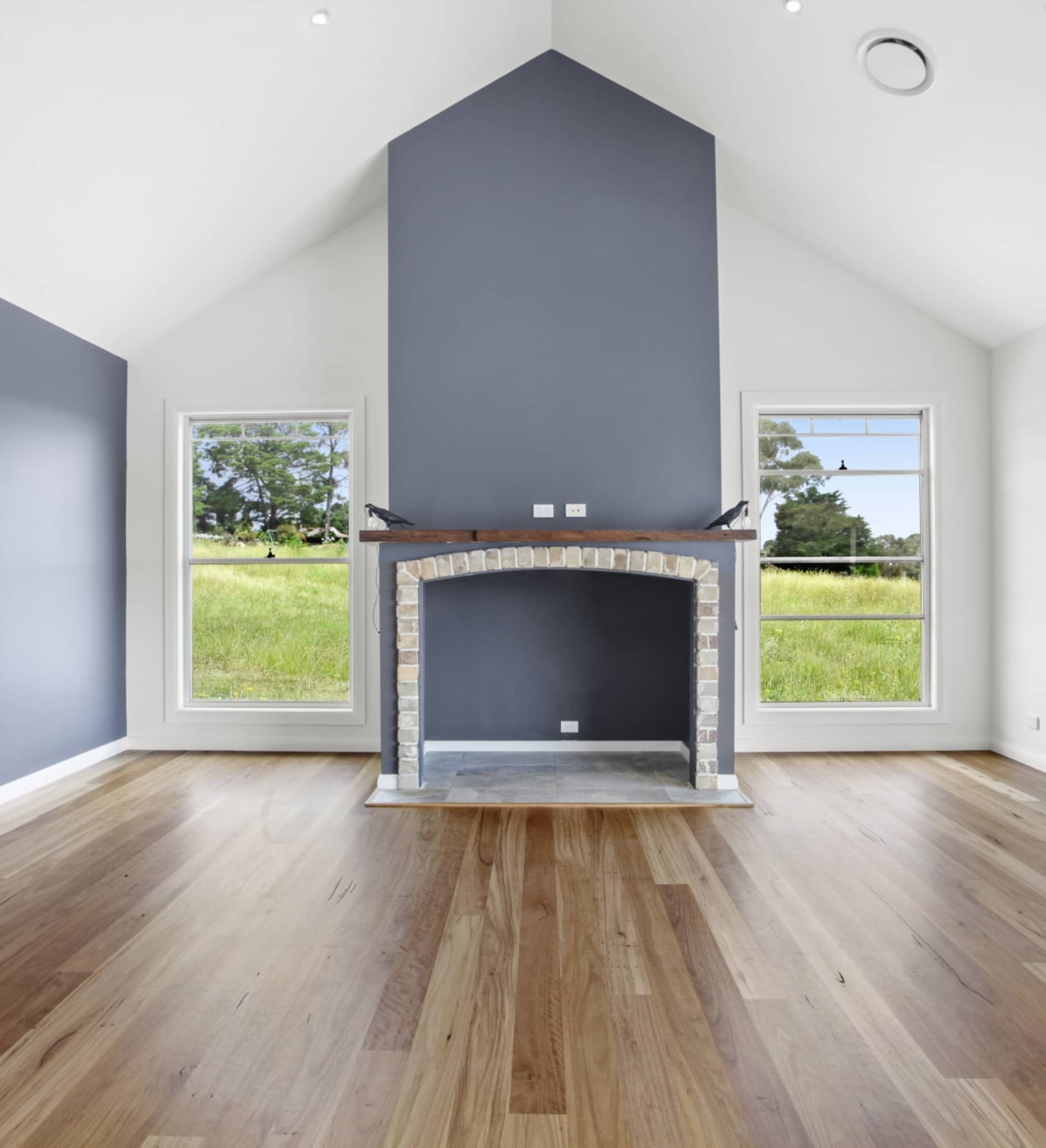
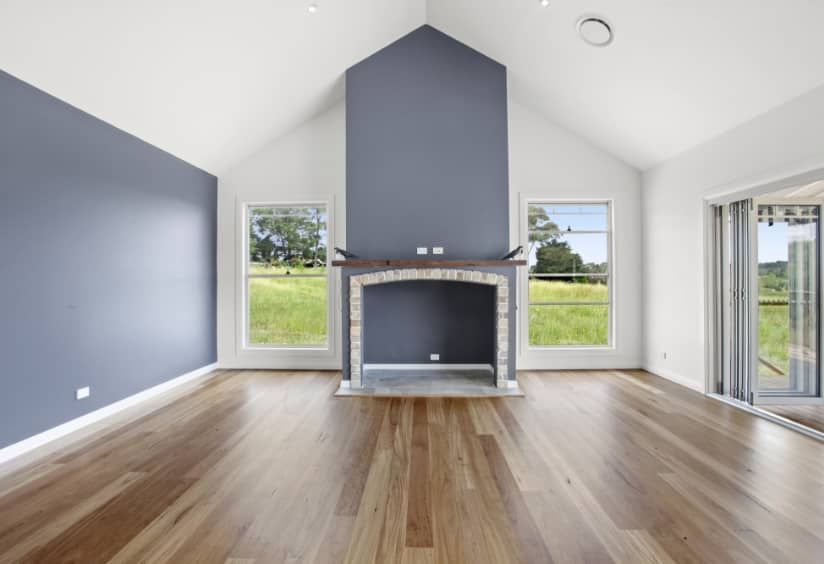

Our commitment to quality painting services starts the moment you contact our customer service team. From beginning to end, you can expect nothing but premium quality service, outstanding customer support and quality painting that exceeds your expectations. Let’s transform your home with color! Call or chat with us now!